

Pre-Demolition Surveys
Comprehensive asbestos surveys performed prior to renovation and demolition activities to identify regulated asbestos-containing materials and support project compliance requirements.
What Is a Pre-Demolition Survey?
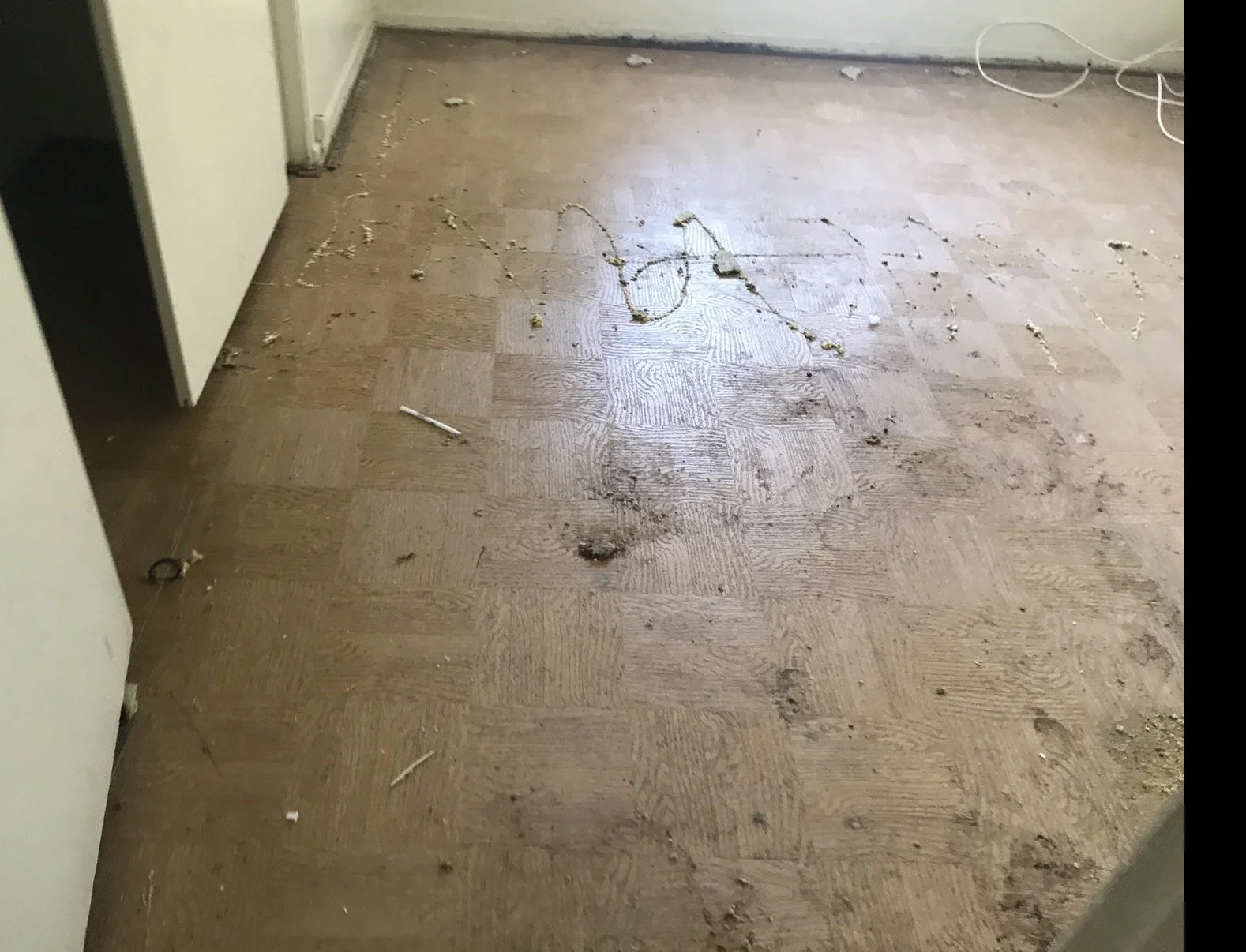
A pre-demolition survey is performed to identify asbestos-containing materials that may be disturbed during demolition or renovation activities. The survey includes a visual inspection, representative sampling of suspect materials, laboratory analysis, and documentation of findings to support project planning and regulatory compliance.
What to Expect During Our Visit
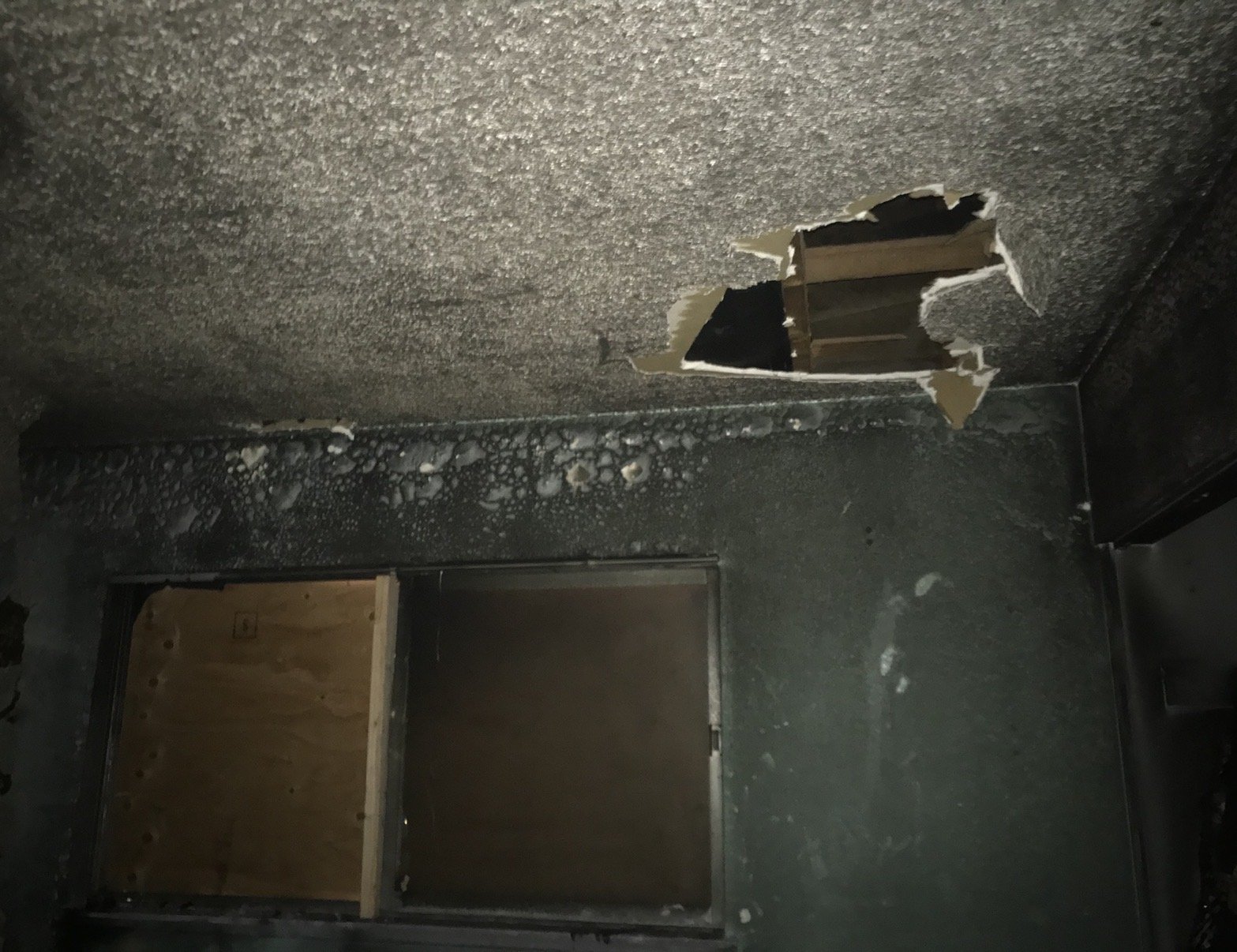
We will review the project scope, identify materials that may be impacted by the planned work, and collect representative samples in accordance with applicable regulations and industry standards. Sampling is performed from accessible materials within the project area and submitted for laboratory analysis.
What Happens After the Survey?
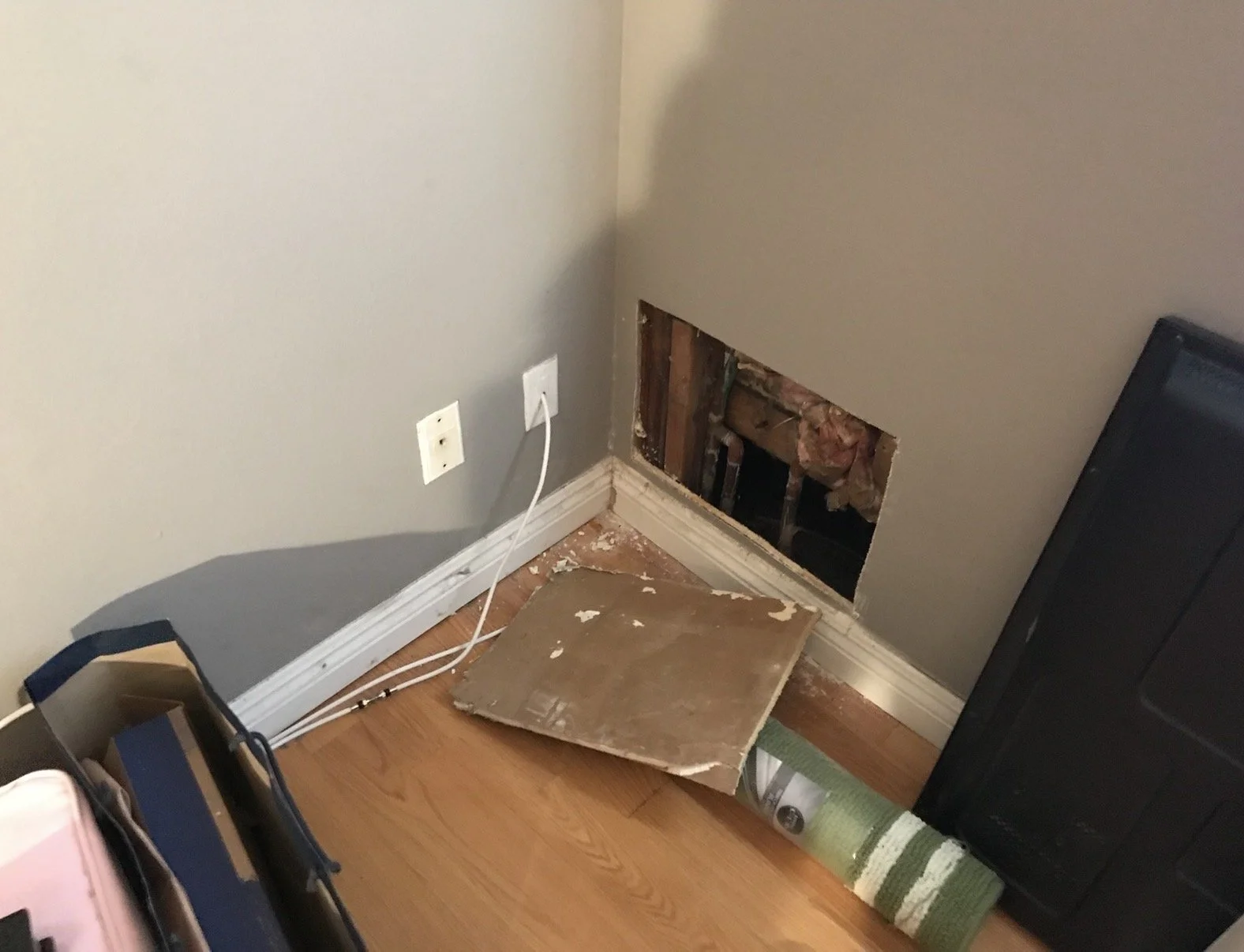
Once sampling is complete, samples are submitted to an accredited laboratory for analysis. Findings are compiled into a report identifying the materials evaluated, laboratory results, and any asbestos-containing materials identified within the survey area.
Do I need a pre-demolition survey before demolition?
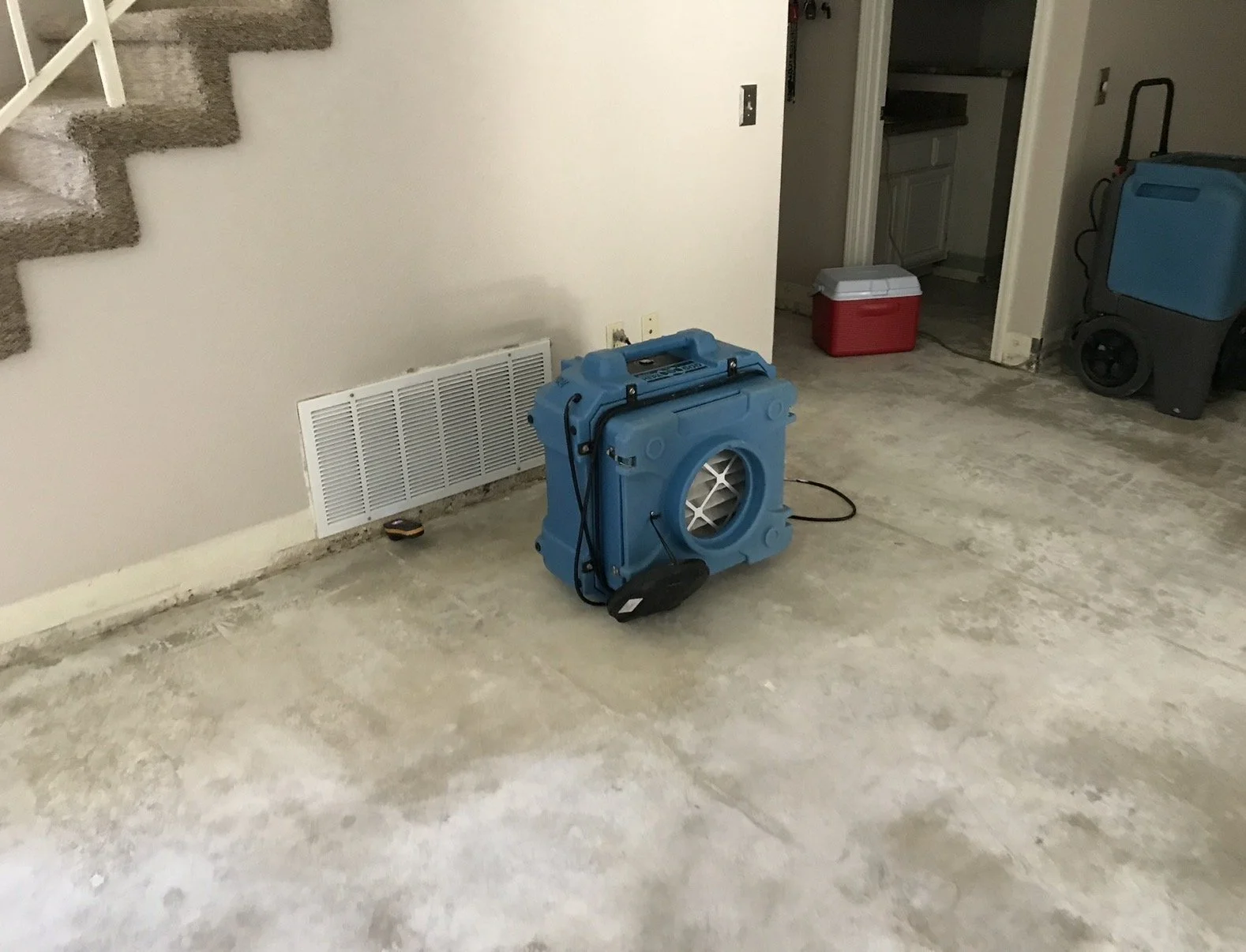
Most renovation and demolition projects require an asbestos survey before work begins. Requirements vary depending on the project scope and jurisdiction.
Do all materials need to be accessible?
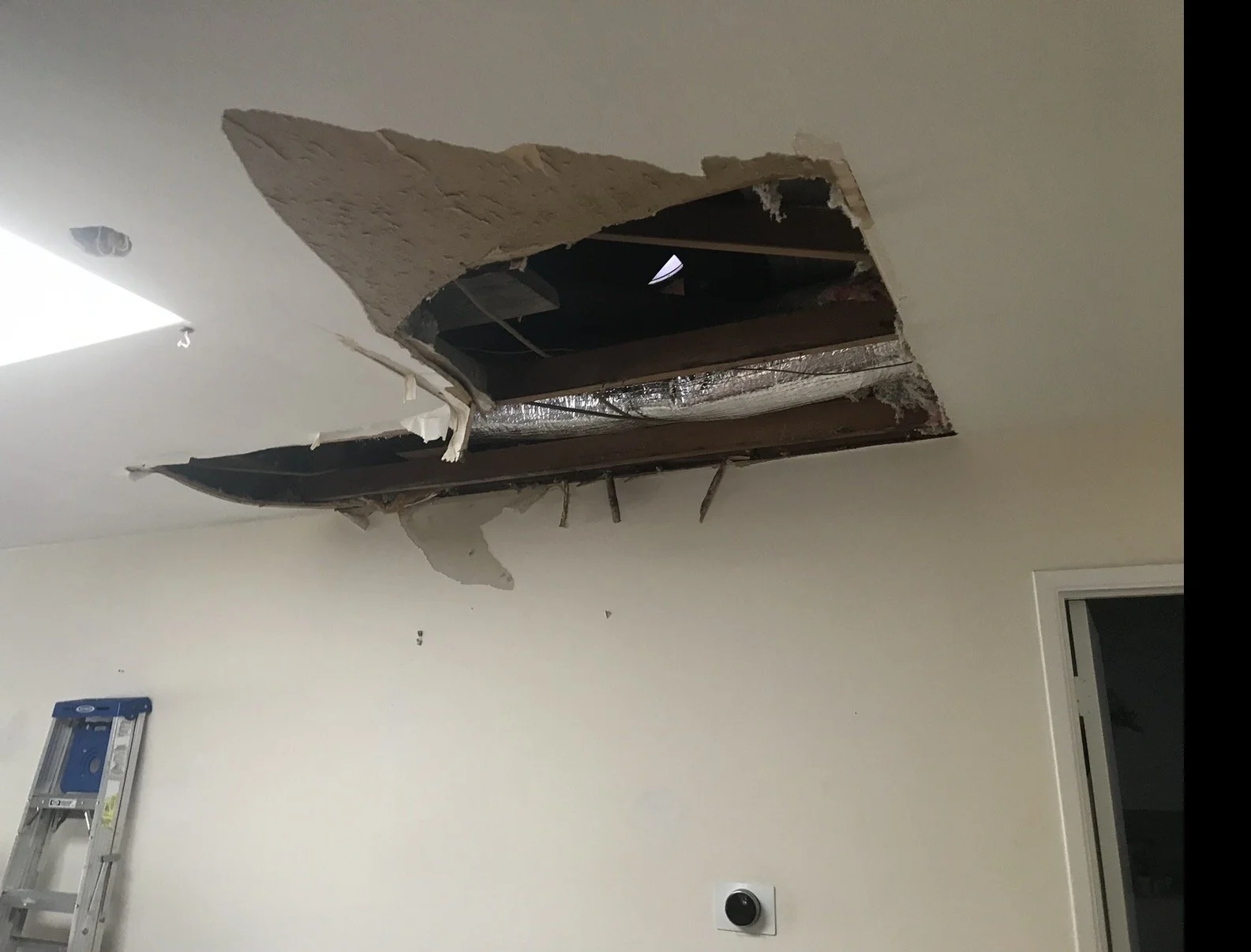
Representative samples can only be collected from accessible materials. If certain building components are concealed or inaccessible, additional access may be required before those materials can be evaluated.
Frequently Asked Questions

-
Most renovation and demolition projects require an asbestos survey before work begins. Requirements vary depending on the project scope and jurisdiction.
-
Any suspect building material that may be impacted by the planned work should be evaluated, including drywall systems, flooring materials, roofing materials, insulation, mastics, and other building components.
-
Yes. Representative samples are collected from suspect materials and submitted to an accredited laboratory for analysis.
-
In many cases, yes. Occupancy does not necessarily prevent a survey from being performed, provided the areas requiring evaluation are accessible.
-
Representative samples can only be collected from accessible materials. If certain building components are concealed or inaccessible, additional access may be required before those materials can be evaluated.
-
You will receive a report identifying the materials evaluated, laboratory findings, and any asbestos-containing materials identified within the survey area.
-
If asbestos-containing materials are identified, the findings can be used to help plan renovation, demolition, remediation, or abatement activities and support regulatory compliance requirements.