

Mold Assessment
Comprehensive mold assessments including visual inspection, air sampling, moisture evaluation, and identification of conditions conducive to mold growth.
What Is a Mold Assessment?
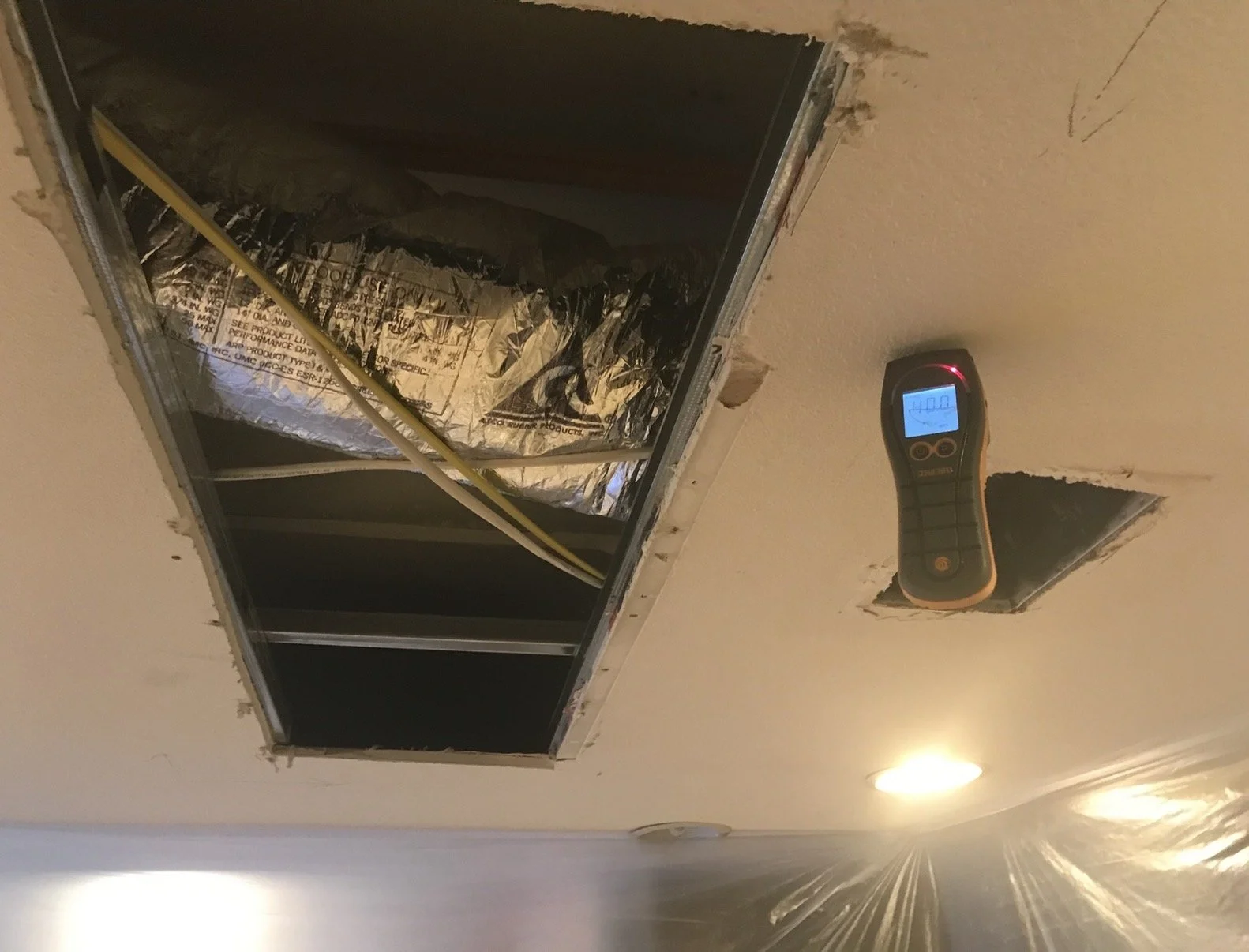
A mold assessment is a comprehensive evaluation of a property to determine whether mold growth or conditions conducive to mold growth are present. The assessment may include a visual inspection, moisture evaluation, air sampling, and identification of environmental conditions that may contribute to mold concerns.
What to Expect During Our Visit
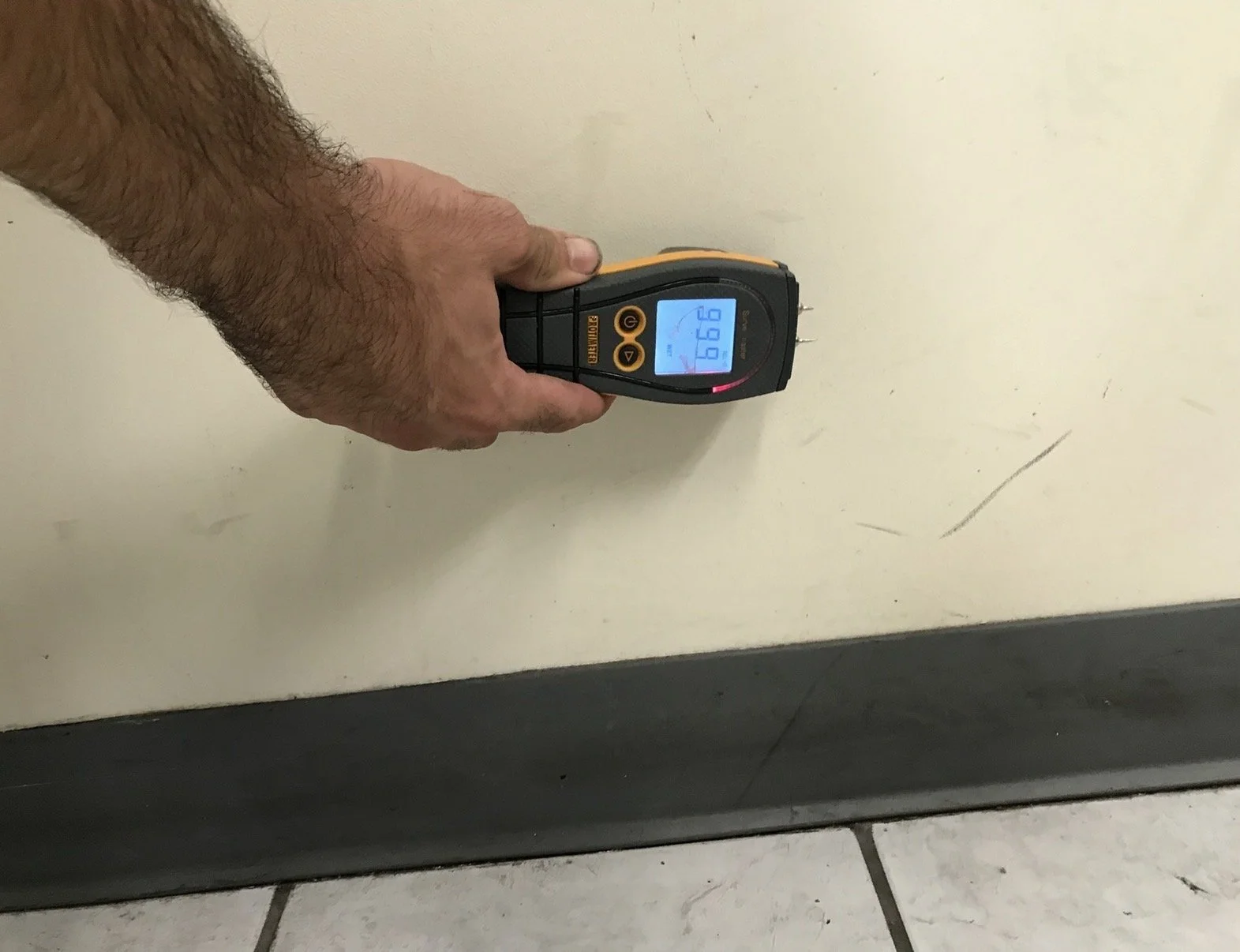
We will evaluate the areas of concern, identify potential moisture sources, collect air samples as appropriate, and document conditions relevant to the assessment. Additional tools such as moisture meters or infrared imaging may be utilized when necessary.
What Happens After the Assessment?
Air samples are submitted to an accredited laboratory for analysis and findings are compiled into a report summarizing observations, laboratory results, and recommendations.
When Is a Mold Assessment Recommended?
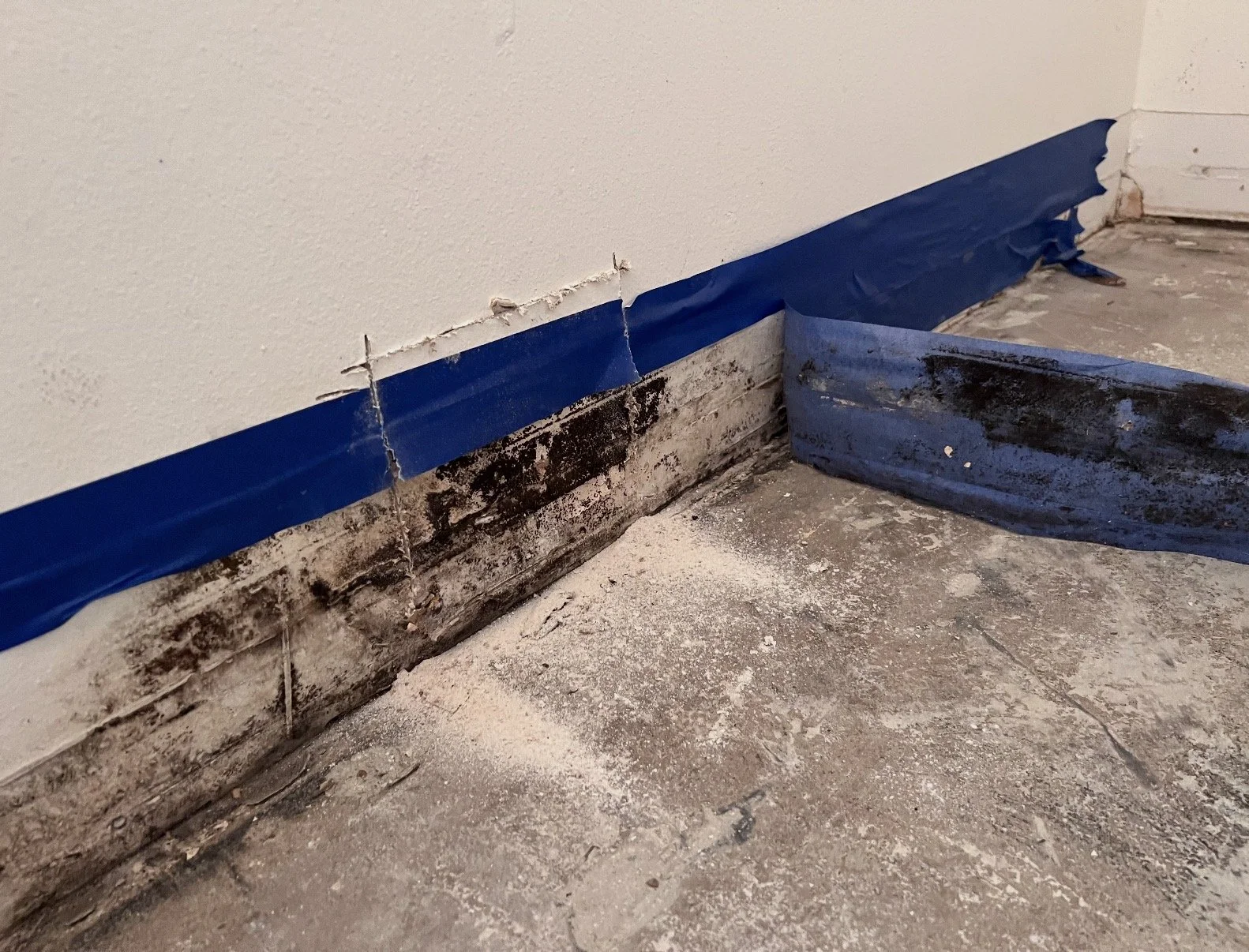
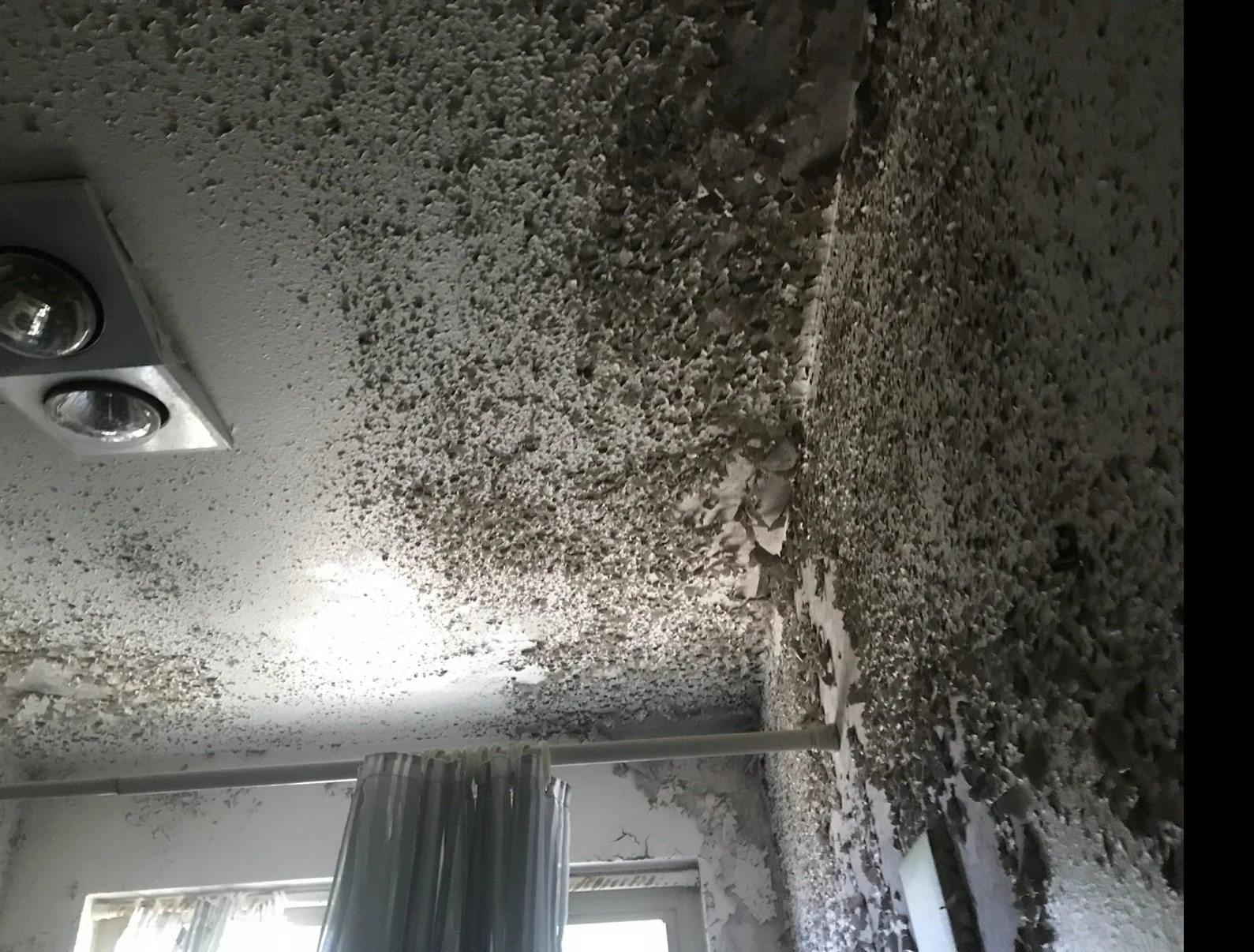
Mold assessments are commonly performed following water damage, visible mold concerns, indoor air quality complaints, real estate transactions, or whenever mold growth is suspected.
Frequently Asked Questions

-
Air sampling is a standard component of our mold assessments and provides additional information regarding airborne mold conditions within the areas evaluated. Results are interpreted alongside visual observations and moisture findings.
-
Visible mold growth is documented as part of the assessment. Depending on the conditions observed, additional testing may be recommended to evaluate the extent of the concern and support remediation planning.
-
Many common indoor molds have the potential to trigger allergic reactions or irritation in sensitive individuals. Responses can vary from person to person, which is why mold assessments focus on identifying environmental conditions and mold growth rather than relying solely on the type of mold present.
-
"Black mold" is a common term often used to describe Stachybotrys chartarum, but mold concerns should not be evaluated based on color alone. Different types of mold may be present in indoor environments, and all visible mold growth should be addressed regardless of its appearance.
-
Findings are documented in the report along with any conditions contributing to mold growth. Recommendations may include moisture correction, remediation, cleaning, or additional evaluation depending on the circumstances.
-
Yes. Moisture evaluation is a standard component of our mold assessments and helps identify areas where elevated moisture may be contributing to mold growth or indoor environmental concerns.
-
In many cases, yes. The assessment process includes evaluating moisture conditions and environmental factors that may be contributing to mold growth, helping identify potential sources of the issue.
-
Laboratory turnaround times vary, but results are typically available within a few business days. Once complete, findings are summarized in a clear report with observations, laboratory results, and recommendations.
Concerned About Mold Growth?
Whether you're dealing with visible mold, water damage, musty odors, or indoor air quality concerns, a professional mold assessment can provide the information needed to make informed decisions about your property.